
Stretching for Flexibility: What Works and What Doesn't
Stretching for flexibility works when you use the right kind at the right time. Learn static vs dynamic stretching, timing, and a simple routine.
Most people don’t need a “stretching phase.” They need the right kind of stretching at the right time. This guide breaks down stretching for flexibility in a way that actually works — no weird circus moves, no 45-minute routines, and no “feel the burn” nonsense.
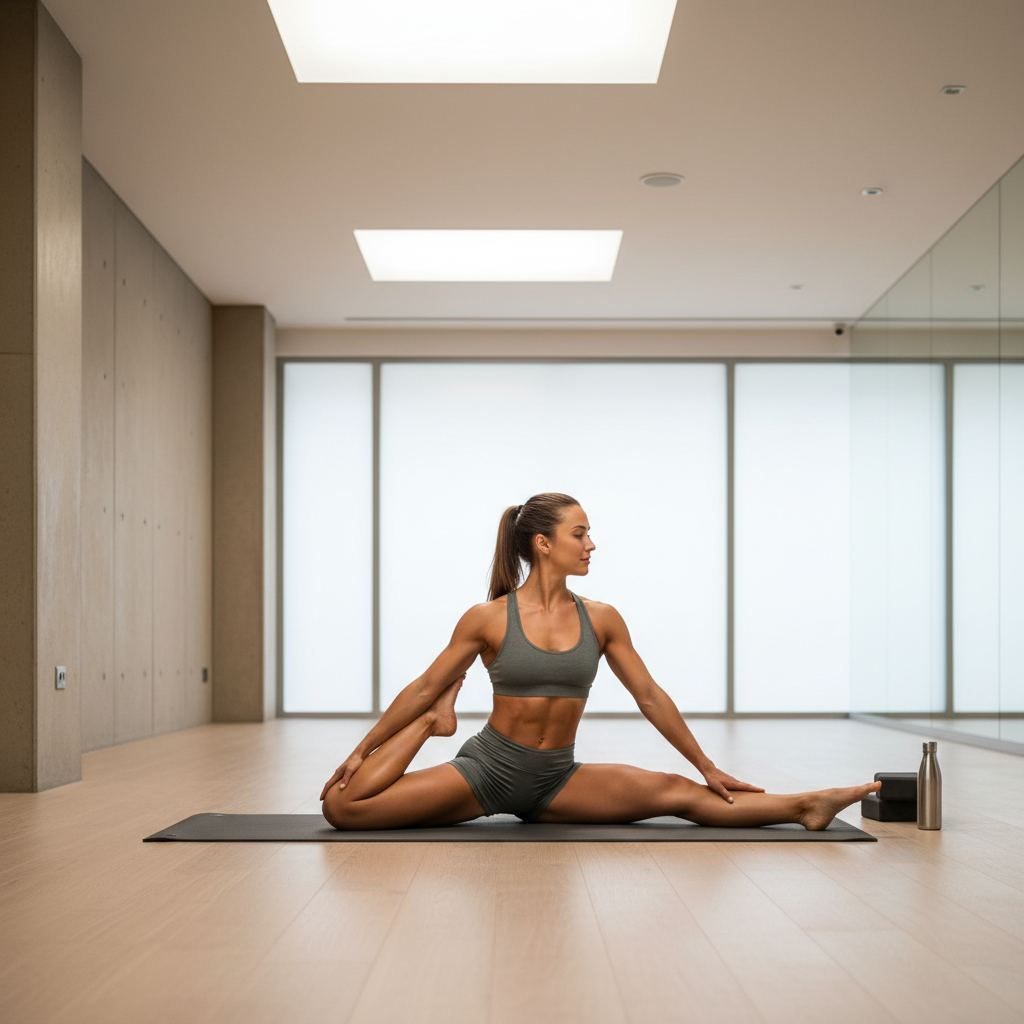
Flexibility comes from consistency and control, not pain.
Mobility vs Flexibility (They’re Not the Same)
Flexibility is how far a muscle can lengthen. Mobility is how well you can control a joint through that range. You can be “flexible” and still move poorly. For training, mobility usually matters more.
Quick Test
If you can hit a deep squat position but can’t hold it without falling forward, that’s a mobility/control problem — not a flexibility problem.
Static vs Dynamic Stretching
Different tools for different jobs. Static stretching improves flexibility. Dynamic stretching improves readiness to train.
| Type | What It Is | Best Time | Best For |
|---|---|---|---|
| Static | Hold a stretch at end range | After training / evenings | Flexibility gains, relaxation |
| Dynamic | Move through range under control | Before training | Warm-up, better movement quality |
When to Stretch (Before vs After)
If you do one thing differently after reading this: stop doing long static holds right before heavy lifting. Warm up dynamically instead.
| Goal | What to Do | Why |
|---|---|---|
| Get ready to lift/run | Dynamic warm-up (5 min) | Improves readiness and movement quality |
| Increase flexibility | Static stretching after training (8-12 min) | Better tolerance at end range |
| Feel less stiff day-to-day | Short daily routine (10 min) | Consistency beats intensity |
Need a simple warm-up template? Use our warm-up routines guide.
How Long Should You Hold a Stretch?
- 30-60 seconds per stretch is a solid baseline
- 2-3 rounds for tight areas
- Keep discomfort at 3-5/10, not 9/10
If it hurts, you’re doing it wrong
Sharp pain means you’re stressing a joint or nerve. Back off, change the angle, and aim for a controlled stretch you can breathe through.
A Simple Flexibility Routine (By Body Part)
Do this 3-5x/week after training or in the evening. Pick the tightest areas first. You don’t need all of them every time.
| Area | Stretch | Hold | Tip |
|---|---|---|---|
| Hips | Half-kneeling hip flexor stretch | 45s/side | Squeeze the glute to avoid low-back compensation |
| Hamstrings | Supine hamstring stretch (strap/towel) | 45s/side | Keep knee slightly soft; don’t yank |
| Calves/ankles | Wall calf stretch | 30s/side | Drive heel down; keep foot straight |
| Chest | Doorway pec stretch | 30-45s/side | Ribs down; don’t flare your back |
| Upper back | Child’s pose with side reach | 30s/side | Breathe slow; long exhale = better end range |
On recovery days, pair this with rest day workouts or a quick foam rolling session.
FAQ
How long does it take to get more flexible?
Most people notice changes in 2-4 weeks if they stretch 3-5x/week. Big changes take months. Consistency is the secret.
Should I stretch every day?
You can, but you don’t have to. 3-5 sessions per week is plenty if you’re consistent.
Why do I feel tight even though I stretch?
Often it’s not “short muscles.” It’s your nervous system protecting a range you can’t control. Add mobility work and gradual strength in that range.
Related Articles
- Foam Rolling Benefits: What It Actually Does (and Doesn’t)
- Rest Day Workouts: The Best Active Recovery Options
- Warm-Up Routines: 5-Minute Routines for Every Workout
Part of the BodyRecomp Recovery & Performance silo — building your complete fitness knowledge base.
Always consult with a healthcare professional before starting any new exercise program. This guide is for educational purposes only.
Use calculators that match the research.
Take the ideas in this article and apply them to your own numbers with BodyRecomp calculators built for calories, physique, and planning.