
Weight Loss Plateau: Why It Happens and How to Break It
Stuck at a weight loss plateau? Here is why it happens and the step-by-step fixes that get fat loss moving again without extreme dieting.
A weight loss plateau is frustrating, but it usually has a simple cause: your calorie deficit shrank. As you lose weight, you burn fewer calories. If you keep eating the same, fat loss slows or stops.
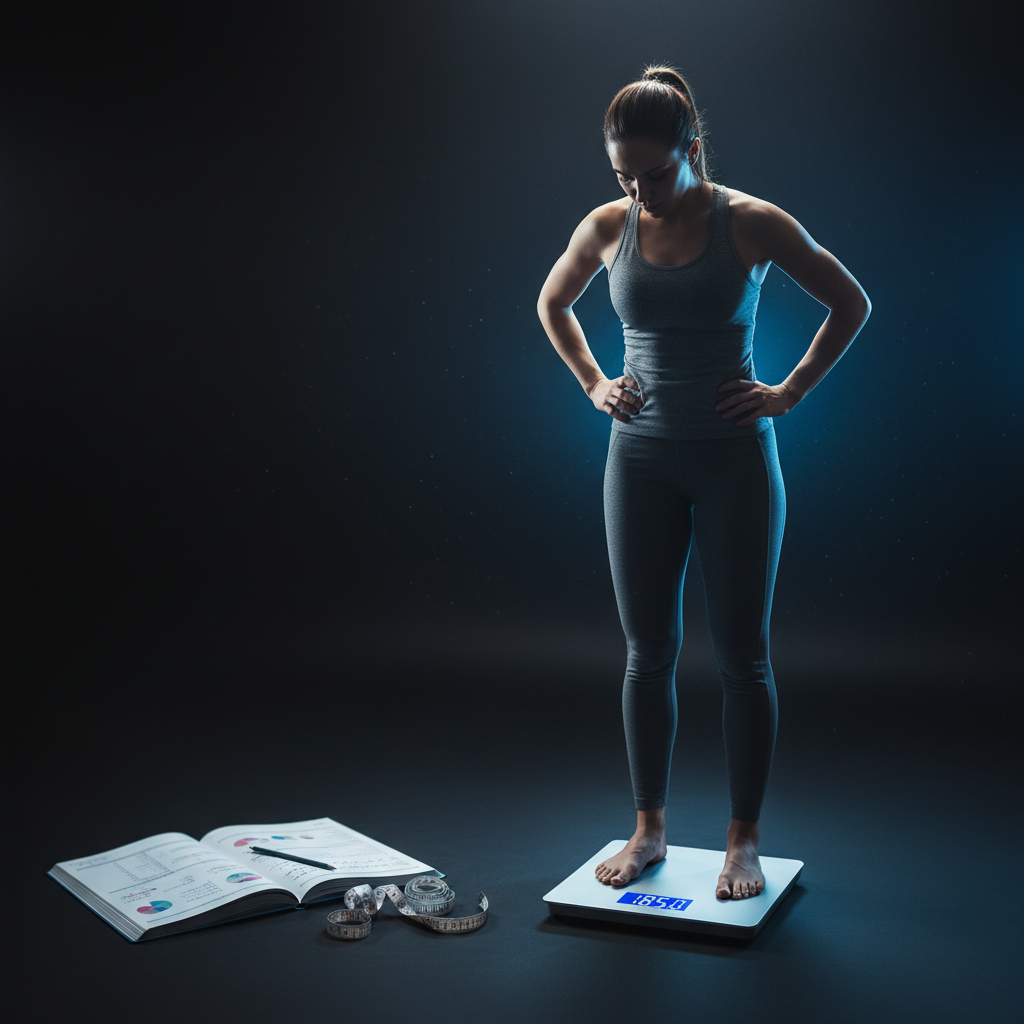
Plateaus are data, not failure.
First: Make Sure It's a Real Plateau
Water weight can hide fat loss for 1-2 weeks. Before you change anything, check:
- Has your weekly average weight been flat for 14+ days?
- Are measurements and photos also unchanged?
- Did stress, sleep, sodium, or a hard workout increase water retention?
The 6 Most Common Causes
| Cause | Fix |
|---|---|
| Portion creep | Weigh foods for 7 days and reset accuracy |
| Less movement (NEAT) | Add steps (start +2,000/day) |
| Metabolic adaptation | Small calorie drop or a diet break |
| Poor sleep/stress | Fix sleep schedule, reduce deficit intensity |
| Weekend blowouts | Track weekly calories, not just weekdays |
| Over-aggressive deficit | Increase protein, lift, take diet breaks |
How to Break a Plateau (Step-by-Step)
- Track accurately for 7 days. No guessing.
- Add steps. It is the least stressful lever.
- Adjust calories slightly. Drop 100-200 calories/day if needed.
- Keep lifting. Protect muscle and keep metabolism higher.
When a Diet Break Helps
If you have been dieting hard for 8-12 weeks, a 1-2 week diet break at maintenance can reduce fatigue and improve adherence. It is not a cheat week. It is planned.
Frequently Asked Questions
How long does a weight loss plateau last?
If you do nothing, it can last indefinitely. With accurate tracking and a small adjustment, most plateaus break in 2-4 weeks.
Should I cut more calories?
Only after you fix tracking and steps. Most plateaus are accuracy and movement issues, not a need for a massive cut.
Stay Consistent With BodyRecomp
Plateaus are easier to solve when you have clean data. BodyRecomp helps you track calories, steps, workouts, and weekly trends - so you can adjust with confidence.
Related Articles
This article is for education only. If you have a history of disordered eating, consider working with a clinician or registered dietitian.
Use calculators that match the research.
Take the ideas in this article and apply them to your own numbers with BodyRecomp calculators built for calories, physique, and planning.